Falling Behind on the Mortgage While You Separate
Running two households on the income that used to support one is hard. When the mortgage starts slipping, acting early usually leaves both spouses with more choices.
- One written offer for both owners
- Sold as it stands, no repairs or cleaning
- No agent commission on a direct sale
- Closing date chosen by the two of you
- A Nevada-local buyer
Why Payments Often Slip During a Separation
Few couples plan to miss a mortgage payment. It usually happens gradually. One spouse moves out and starts paying rent, attorney retainers arrive, and the question of who covers the house goes unanswered while negotiations continue. Sometimes each person assumes the other is paying. Sometimes neither can.
The mortgage itself does not care about the separation. If both spouses signed the loan, the lender generally treats both as responsible regardless of who lives in the home or what a settlement later says. Missed payments can affect both credit histories, which is one reason this issue tends to need attention sooner rather than later.
Association dues, property taxes, and homeowners insurance can fall behind at the same time, and each carries its own consequences. Homeowners associations in Nevada can pursue collection of unpaid assessments, and lapsed insurance may lead a servicer to place its own, often more expensive, coverage. Keeping an eye on all of these, not just the mortgage, gives a fuller picture of where the household stands.
Talk about it openly, if you can
Even when spouses disagree on most things, the mortgage is a shared exposure. A short conversation, or a note through attorneys, about who is paying and what happens next can prevent an unpleasant surprise. Temporary orders issued in a Family Division case at the Eighth Judicial District Court sometimes address who pays household expenses while a case is pending; your attorney can tell you whether that applies.

Options Worth Exploring First
A sale is only one path. Before deciding anything, many homeowners look into these general options, ideally with professional guidance:
Contact the loan servicer
Servicers often have hardship options such as forbearance, repayment plans, or loan modifications. Eligibility varies by loan type and servicer. Calling early, before several payments are missed, generally gives you more to work with.
Speak with a housing counselor
HUD-approved housing counselors can review your situation and explain choices in plain language, often at no cost. The Consumer Financial Protection Bureau maintains a directory of housing counselors near you.
Understand foreclosure mediation in Nevada
Nevada has a foreclosure mediation program for owner-occupied primary residences. In general terms, homeowners who receive a formal notice of default may be able to elect mediation with the lender within a limited window. Rules and deadlines can change, so confirm current details with an attorney, a housing counselor, or the program itself.
Talk with your family-law attorney
How mortgage arrears are handled can affect the division of assets. Your attorney can explain whether missed payments by one spouse may be considered in the settlement, and how a sale might fit within any orders in your case.
One Offer, Written the Same for Both of You
Share the address and a little about where things stand. A person here reviews it, calls with a few questions, and then puts a single cash figure in writing that both owners can read, compare and take to their own attorneys before anyone agrees.
Asking costs nothing and commits neither of you. Would a voice be easier? The TALK TO ALEX button reaches our line.
When a Direct Sale Makes Sense
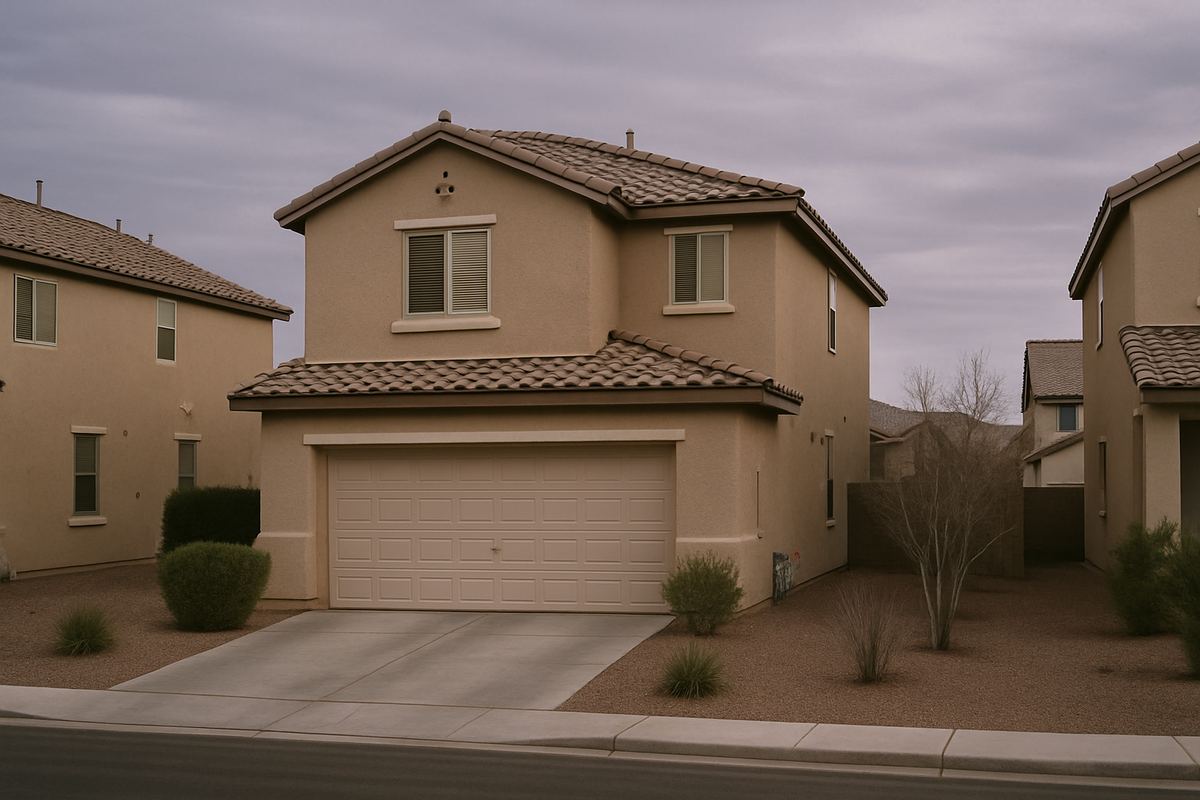
If keeping the home is no longer realistic for either spouse, selling before the situation escalates can protect equity that might otherwise shrink through late fees and accruing interest. A direct cash sale may be a fit when:
- Neither spouse can qualify to refinance and take over the home.
- The house needs work that would have to be finished before a traditional listing.
- You want a closing date you control rather than one dictated by showings and buyer financing.
- Both spouses would rather not coordinate open houses while living apart.
We buy as-is, so there are no repairs or cleaning to fund while payments are already tight. No agent's percentage comes out of the marital equity, and the existing mortgage is typically paid off from the proceeds at closing through the title company. If the balance owed is close to or above what the home could sell for, that is a different conversation that may involve the lender, and an attorney or housing counselor should be part of it.
Steps When Time Is a Factor
- Gather the latest mortgage statement. Note the balance, any arrears, and any notices you have received from the servicer.
- Tell your attorneys or mediator. A sale while payments are behind may need to fit within court orders or settlement talks.
- Request one written offer for both spouses. Both people see identical terms, so neither has to take the other's word for it.
- Choose a closing date that fits the situation. You pick the date; the title company works toward it and requests a payoff from the lender.
A page on the direct sale process from start to finish explains what the title company handles behind the scenes. Questions about us as a buyer are answered on our page about this Las Vegas cash buyer.
Staying Fair to Both Spouses
Financial stress can sharpen disagreements about who caused the problem. We do not weigh in on that. Both spouses receive the same information, and we do not encourage either one to sign before they have spoken with their own advisor. If one spouse wants to keep the house, the page on buyouts when one spouse plans to stay may be useful. If the case has reached the point where a judge directs a sale, our notes on court-ordered home sales explain how that typically works.
We purchase homes across the valley, including family neighborhoods in Spring Valley near the Strip's west side and newer subdivisions in Providence in the northwest valley. For other circumstances, browse all the divorce-related home situations we cover or our frequently asked seller questions.
Questions Couples Raise About This
If my spouse stopped paying, am I still responsible for the mortgage?
If you signed the loan, the lender generally considers you responsible regardless of who lives in the home or what the two of you have agreed privately. A divorce settlement can allocate the obligation between spouses, but it typically does not change the lender's rights. Your family-law attorney can explain how missed payments may be addressed in your case.
Can we sell the house if we are already behind on payments?
Often, yes. A sale can still close while payments are behind, and the mortgage balance, including arrears and fees, is usually paid from the proceeds at closing. If a foreclosure process has started, timing becomes more important, and an attorney or housing counselor can explain how a sale interacts with the lender's process.
What is foreclosure mediation in Nevada?
Nevada offers a mediation program for owner-occupied primary residences facing foreclosure. In general, a homeowner who receives a notice of default may elect to participate within a limited time frame, and the lender then meets with the homeowner and a mediator. Eligibility rules and deadlines matter, so confirm current requirements with an attorney or housing counselor.
Will a cash offer cover what we owe?
That depends on the home and the loan balance, and we cannot promise any particular result. Once we see the property and you share the payoff details, the written offer will show what we are prepared to pay. If the balance is higher than the offer, speak with your attorney and lender about options before making any decision.